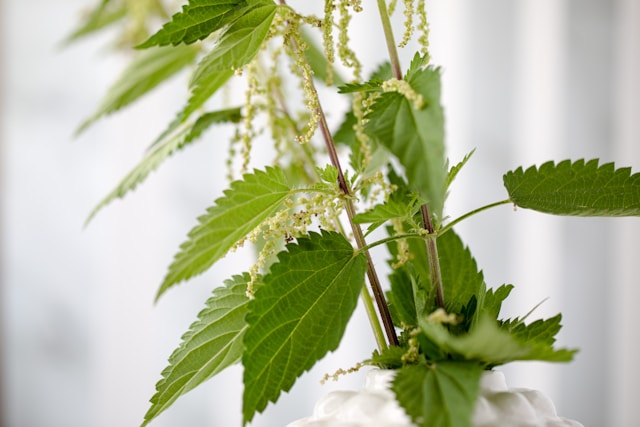
Beyond the Sting: Unlocking the Rich Nutrition and Healing Potential of Stinging Nettle
Most encounters with stinging nettle (Urtica dioica) involve an unwelcome prickle, a fleeting reminder of its defensive capabilities. However, this prickly exterior hides a botanical treasure trove, brimming with vital nutrients and therapeutic compounds that have been valued for centuries. Moving past the initial sting reveals a plant with remarkable potential to bolster health and well-being.
Stinging Nettle: A Verdant Source of Essential Nutrients
Stinging nettle stands out as a remarkably nutrient-dense plant. Its leaves are packed with an impressive array of vitamins, including significant amounts of vitamin A, vitamin C, vitamin K, and several B vitamins. Furthermore, it boasts a wealth of essential minerals such as iron, crucial for oxygen transport; calcium, vital for bone health; magnesium, involved in numerous bodily functions; potassium, important for fluid balance; and silica, known for its role in connective tissue support. This substantial nutritional profile makes nettle a compelling natural source of multiple vitamins and minerals, potentially offering a whole-food alternative to synthetic supplements. When compared to common vegetables, nettle often demonstrates a superior concentration of these vital elements, making it a valuable addition to a health-conscious diet.
Research and Findings
Research into the composition of nettle reveals a significant nutritional bounty. For instance, Paulauskiene et al.’s analysis of Urtica dioica leaves across the growing season demonstrated fluctuations in key compounds [29]. Furthermore, a comparative study by Adhikari et al. [31] directly illustrates this richness, stating, “They reported that the leaf powder of Urtica dioica had higher level of crude protein (33.8%), crude fiber (9.1%), crude fat (3.6%), and carbohydrates (37.4%), as compared to barley and wheat flours. They reported the energy value to be 307 kcal/100 g. The analysis showed total phenolic, carotenoid, and tannin contents of 129 mg gallic acid equivalent/g, 3497 μg/g, and 0.93 mg/100 g, respectively.” These findings position nettle favorably against common cereal grains (1-3).
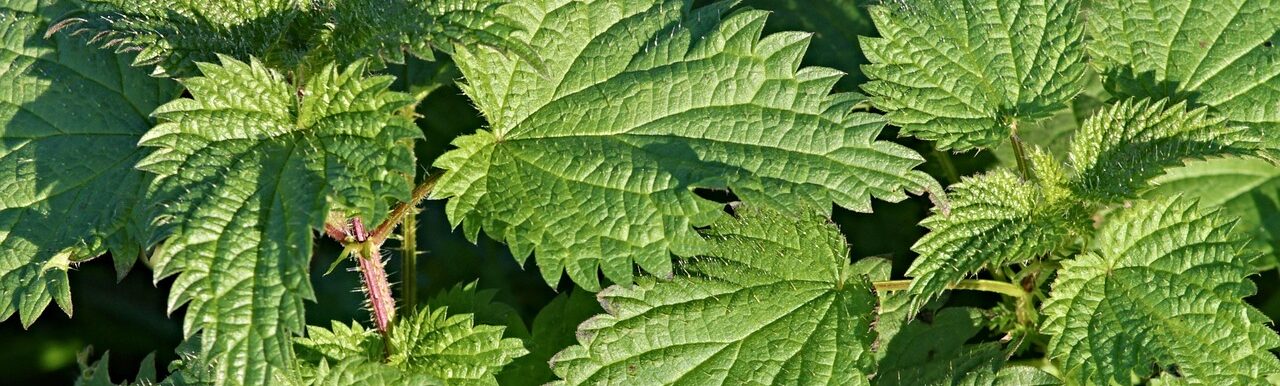
Given its impressive nutritional profile, I frequently consider stinging nettle my top herbal choice for individuals experiencing nutrient deficiencies and anemia. Furthermore, its nutritional value makes it a noteworthy option for those who are experiencing nutrient depletion. When it comes to Nettle, it offers versatile consumption methods, including convenient capsules, nourishing teas, potent extracts, and incorporation into culinary dishes like soups – a traditional preparation favored by homesteaders and foragers for generations. When harvesting fresh nettle, the plant’s characteristic stinging hairs can be irritating, making the use of gloves advisable. However, drying or introducing the plant to hot water during brewing or cooking usually dissolves these stinging needle-like compounds.
https://pixabay.com/photos/stinging-nettles-urticaceae-nature-2915445/
Stinging Nettle Soothes Seasonal Discomfort
Throughout my years as an herbalist, stinging nettle has consistently been a key herb in my allergy blends. I have seen great improvements because of its effectiveness when it comes to seasonal and ragweed allergies. It is my go-to herb during the spring season. So, for those individuals grappling with seasonal allergies, stinging nettle may offer a natural avenue for relief. Research suggests that certain compounds within the plant possess anti-histamine properties, potentially helping to modulate the body’s allergic response.
Scientific inquiry is beginning to validate some of the traditional applications of Urtica. An in vitro study provides evidence for its bioactivity, noting that “In an in vitro study, the leaf extracts of this plant were shown to inhibit histamine H1 receptor, COX-1, COX-2, HPDS, and tryptase.” The researchers further quantified these inhibitory effects using specific assays (4-5).
Supporting Detoxification and Kidney Function
One of the key ways stinging nettle may benefit the kidneys is through its ability to promote diuresis, effectively increasing the output of urine. This action is crucial for the kidneys as it facilitates the efficient removal of metabolic waste products that accumulate in the body. By encouraging this regular flushing, nettle may play a role in supporting the long-term health of the kidneys and potentially preventing the buildup of substances that could lead to kidney stones or other concerns. This gentle, natural stimulation of kidney function aligns with a preventative approach to maintaining urinary tract health. In my practice, I would use both the seeds and leaves for this purpose.
https://unsplash.com/photos/green-and-white-plant-in-close-up-photography-yaKZ4f0tZ4Y.
Promoting Prostate Wellness
The root of the stinging nettle plant has attracted attention for its potential role in supporting benign prostate health in men. Researchers are also exploring its ability to ease urinary discomfort associated with prostate issues, potentially offering relief from incontinence and aiding in better bladder control, which can be particularly helpful when experiencing painful urination. Throughout my years of incorporating nettle root into prostate formulas, I have observed significant positive outcomes, including improved bladder control (reduced bedwetting) and alleviation of lower urinary tract symptoms. The consistent positive results I’ve witnessed have strengthened my confidence in using nettle. Furthermore, research studies support my observations.
Following the 8-week treatment period, the study assessed the clinical symptoms of BPH (Benign Prostatic Hyperplasia) using the American Urological Association (AUA) Symptom Score. The results of this double-blind clinical trial indicated that nettle had a more pronounced effect in relieving clinical symptoms in patients with BPH compared to the placebo group. This finding aligns with previous studies that have reported positive outcomes with the use of nettle in treating prostate disease. The authors concluded that given its beneficial effects in reducing BPH symptoms, nettle warrants consideration for more widespread use in the management of this condition (6-9).
A significant concern in prostate health, especially with conditions like BPH, is the distressing loss of bladder control. In this specific area, nettle demonstrates considerable promise. My years of using nettle for urinary incontinence have yielded noteworthy improvements with my clients, enhancing their ability to manage urination and leading to increased comfort and confidence. This targeted action on urinary control underscores a key benefit of incorporating nettle into prostate health and wellness management strategies.
Other Benefits
Nettle’s notable calcium content makes it a valuable component in formulations aimed at overall systemic support. Furthermore, its potential extends to combinations with other herbs like saw palmetto and pygeum in formulations intended for hair growth. While the underlying mechanisms are complex and individual responses can vary, some users have experienced a perceived synergistic effect when these herbs are combined. Recognizing the multifaceted nature of hair health, nettle’s inclusion in such combinations represents a holistic approach to supporting hair growth.
Side Effects and the Parts of the Plant Used Medicinally
What makes nettle truly remarkable is the distinct utility of its various parts. The leaves, for instance, are highly nutritious, and in my practice, I’ve utilized them for their nutritional benefits, allergy support, and other applications. The seeds, on the other hand, I’ve specifically employed for their kidney-support and diuretic properties, and the root remains a consistent ingredient in all my prostate formulations.
The most commonly recognized side effect of stinging nettle comes from the hairs on its leaves and stem, which can cause temporary irritation and rashes. Beyond this initial contact, however, my extensive experience with the herb in teas, extracts, and other medicinal forms has revealed no adverse effects over years of use.
Easing Joint Aches and Inflammation
Historically, people have utilized stinging nettle to address discomfort associated with conditions like arthritis and gout. Scientists believe its inherent anti-inflammatory properties contribute to this effect, potentially helping to reduce swelling and alleviate pain in affected joints. Traditionally, a rather unconventional method involved the topical application of the fresh plant – intentionally stinging the painful area. While anecdotal evidence suggests some individuals found relief through this practice, it is not a recommended or comfortable approach. In fact, I would never recommend it. Modern applications focus on gentler methods like extracts and topical preparations that harness the plant’s beneficial compounds without the sting.
In conclusion, stinging nettle offers benefits extending far beyond its initial sting. This plant’s remarkable design—including the very feature that causes irritation—reflects a purposeful complexity tied to its medicinal power. It’s richness in nutrients and therapeutic properties, continues to gain recognition among healthcare practitioners and scientific researchers alike. Stinging nettle supports kidney, prostate, and joint health, and acts as a natural antihistamine, establishing it as a valuable component in my botanical protocols. Even a simple daily infusion can deliver a wide range of benefits, from providing essential nutrients to easing allergies and promoting urinary health. Importantly, clinical research confirms the results observed throughout my years of practice, further noting the plant’s tolerability and reinforcing its role as a safe and effective natural remedy.
Article By: Oneil Brown, CMH.
References:
- Devkota, H. P., Paudel, K. R., Khanal, S., Baral, A., Panth, N., Adhikari-Devkota, A., Jha, N. K., Das, N., Singh, S. K., Chellappan, D. K., Dua, K., & Hansbro, P. M. (2022). Stinging Nettle (Urtica dioica L.): Nutritional Composition, Bioactive Compounds, and Food Functional Properties. Molecules, 27(16), 5219.
- Paulauskienė, A.; Tarasevičienė, Ž.; Laukagalis, V. Influence of Harvesting Time on the Chemical Composition of Wild Stinging Nettle (Urtica dioica L.). Plants 2021, 10, 686. [Google Scholar] [CrossRef]
- Adhikari, B.M.; Bajracharya, A.; Shrestha, A.K. Comparison of Nutritional Properties of Stinging Nettle (Urtica dioica) Flour with Wheat and Barley Flours. Food Sci. Nutr. 2016, 4, 119–124. [Google Scholar] [CrossRef]
- Bakhshaee M, Mohammad Pour AH, Esmaeili M, Jabbari Azad F, Alipour Talesh G, Salehi M, Noorollahian Mohajer M. Efficacy of Supportive Therapy of Allergic Rhinitis by Stinging Nettle (Urtica dioica) root extract: a Randomized, Double-Blind, Placebo- Controlled, Clinical Trial. Iran J Pharm Res. 2017 Winter;16(Suppl):112-118. PMID: 29844782; PMCID: PMC5963652.
- Roschek B Jr, Fink RC, McMichael M, Alberte RS. Nettle extract (Urtica dioica) affects key receptors and enzymes associated with allergic rhinitis. Phytother. Res. 2009;23:920–6. doi: 10.1002/ptr.2763. [DOI] [PubMed] [Google Scholar]
- Ghorbanibirgani A, Khalili A, Zamani L. The efficacy of stinging nettle (urtica dioica) in patients with benign prostatic hyperplasia: a randomized double-blind study in 100 patients. Iran Red Crescent Med J. 2013 Jan;15(1):9-10. doi: 10.5812/ircmj.2386. Epub 2013 Jan 5. PMID: 23487561; PMCID: PMC3589769.
- Safarinejad MR. Urtica dioica for treatment of benign prostatic hyperplasia: a prospective, randomized, double-blind, placebo-controlled, crossover study. J Herb Pharmacother. 2005;5(4):1–11. doi: 10.1080/J157v05n04_01. [DOI] [PubMed] [Google Scholar]
- Melo EA, Bertero EB, Rios LA, Mattos D, Jr. Evaluating the efficiency of a combination of Pygeum africanum and stinging nettle (Urtica dioica) extracts in treating benign prostatic hyperplasia (BPH): double-blind, randomized, placebo controlled trial. Int Braz J Urol. 2002;28(5):418–25. [PubMed] [Google Scholar]
- Schneider T, Rubben H. [Stinging nettle root extract (Bazoton-uno) in long term treatment of benign prostatic syndrome (BPS). Results of a randomized, double-blind, placebo controlled multicenter study after 12 months]. Urologe A. 2004;43(3):302–6. doi: 10.1007/s00120-004-0532-7. [DOI] [PubMed] [Google Scholar]